
PEEL
Project for Enhancing Effective Learning
What does PEEL stand for?
PEEL has always operated as a network of autonomous groups of teachers who take on a role of interdependent innovators. Coherence is provided by the shared concerns about passive, dependent learning and by structures that allow teachers to learn from and share new wisdom with teachers in other schools as well as a few academic friends.
The Project for Enhancing Effective Learning (PEEL) was founded in 1985 by a group of teachers and academics who shared concerns about the prevalence of passive, unreflective, dependent student learning, even in apparently successful lessons. They set out to research classroom approaches that would stimulate and support student learning that was more informed, purposeful, intellectually active, independent and metacognitive. The project was unfunded and not a result of any system or institution-level initiative. PEEL teachers agree to meet on a regular basis, in their own time, to share and analyse experiences, ideas and new practices.
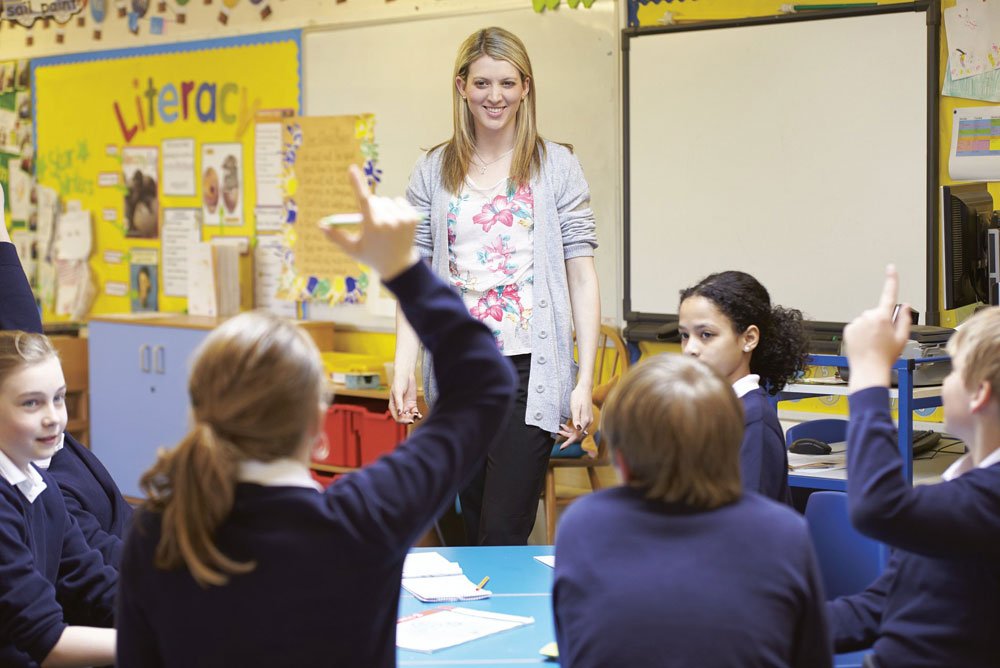
The original project was intended to run for two years at one (secondary) school, however the process of collaborative action-research, the developments of so many new ideas for practice and the changes in classroom environment all proved very rewarding for the teachers. Consequently, at the end of the initial two years, the teachers refused to let the project end and a year later it began to spread to other schools in Australia and then in other countries. This spread was driven by teachers in those schools who had similar concerns about learning, as well as the lack of opportunities in a normal school day for collaborative reflection, and who wished to set up PEEL groups of their own. While the initial spread was in secondary schools, it became just as prevalent in primary/elementary schools. In 2020 35 years after the original project, PEEL is no longer active but the resources developed over 35 years are still available.
PEEL has always operated as a network of autonomous groups of teachers who take on a role of interdependent innovators. Coherence is provided by the shared concerns about passive, dependent learning and by structures that allow teachers to learn from and share new wisdom with teachers in other schools as well as a few academic friends. These structures have enabled the production of books, the journal PEEL SEEDS, (where teachers write about their practice) conferences, PEEL collective meetings, a range of short courses and in-service activities and of course PEEL in Practice (a large database of teaching practice.
The list of Teacher Concerns, summarise the sorts of concerns that are held by teachers who get involved in PEEL. The eight groups of Teaching Procedures that have been built up over the life of the project, reflect the areas where the teachers have been active in developing and extending new teaching practices. The twelve Principles of Teaching for Quality Learning list the critical features of the teaching that PEEL teachers were reporting as being consistently successful in achieving what they felt to be quality learning behaviours in their students.
Quick Links:
Start PEEL in Practice
Home
About PEEL
What’s New?
PEEL in Practice
About Monash:
Monash University is a public research university based in Melbourne, Victoria, Australia. Named for prominent World War I general Sir John Monash, it was founded in 1958 and is the second oldest university in the state.
At Monash, the desire to make a difference informs everything we do.
But we go beyond good intentions. We make an impact, both locally and internationally. We are a global university with a presence on three continents. And our plans for the future are ambitious.
Contact Us:
PEEL Enquiries
Dr Ian Mitchell
Email:
ian.mitchell@monash.edu